
Description
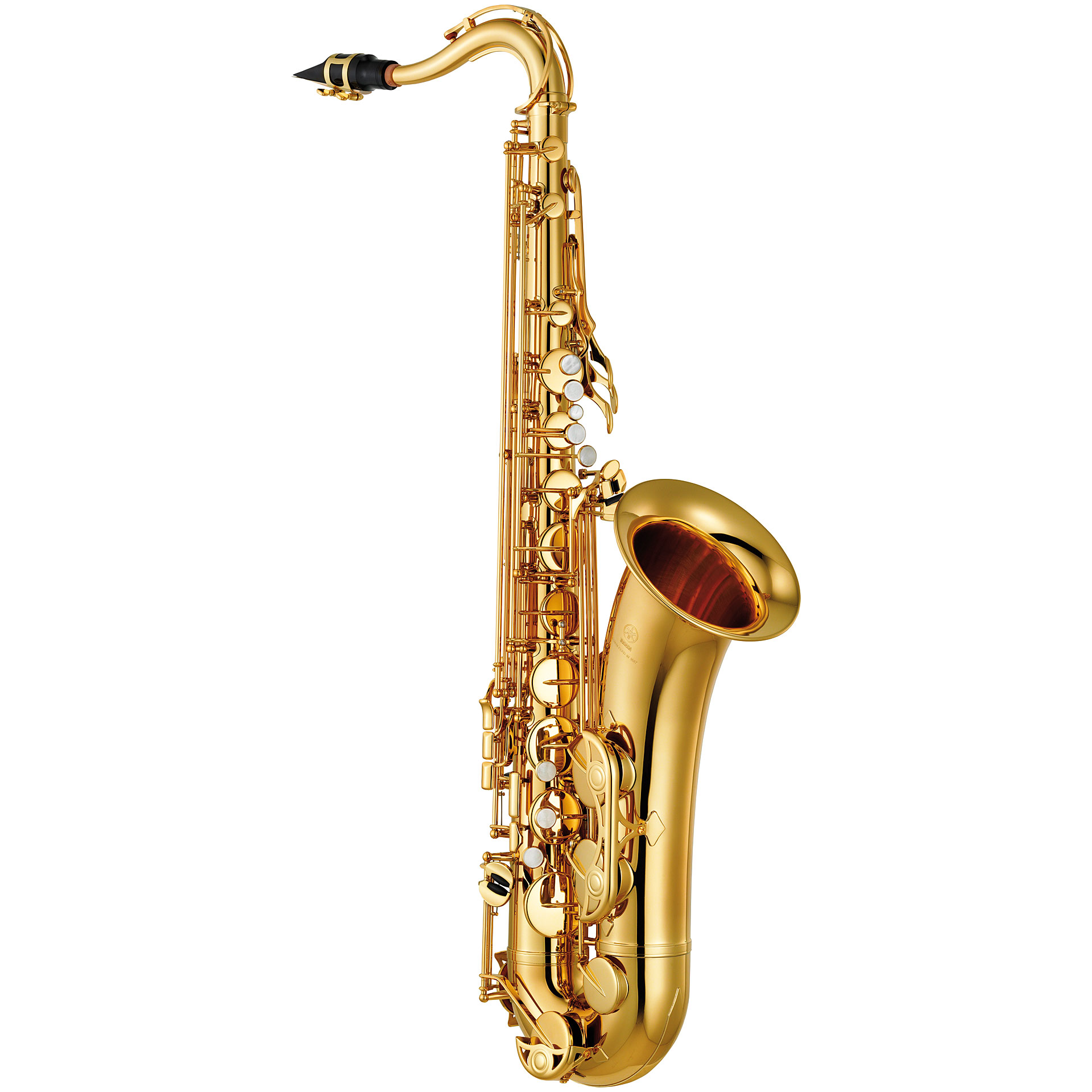
The tenor saxophone is a medium-sized member of the saxophone family and one of the most prominent woodwind instruments in jazz, rock, pop, and concert band music.
Key Characteristics
1. Pitch & Key: It is pitched in the key of B♭ and is a transposing instrument (it sounds an octave and a major second lower than written).
2. Tone: Known for its rich, warm, and husky low-end timbre with plenty of power and projection in the upper registers.
3. Distinguishing Feature: You can easily tell a tenor apart from an alto saxophone by its neck—the tenor neck features a distinct S-shaped curve or crook just below the mouthpiece, whereas the alto neck goes almost straight down.
Basic Components
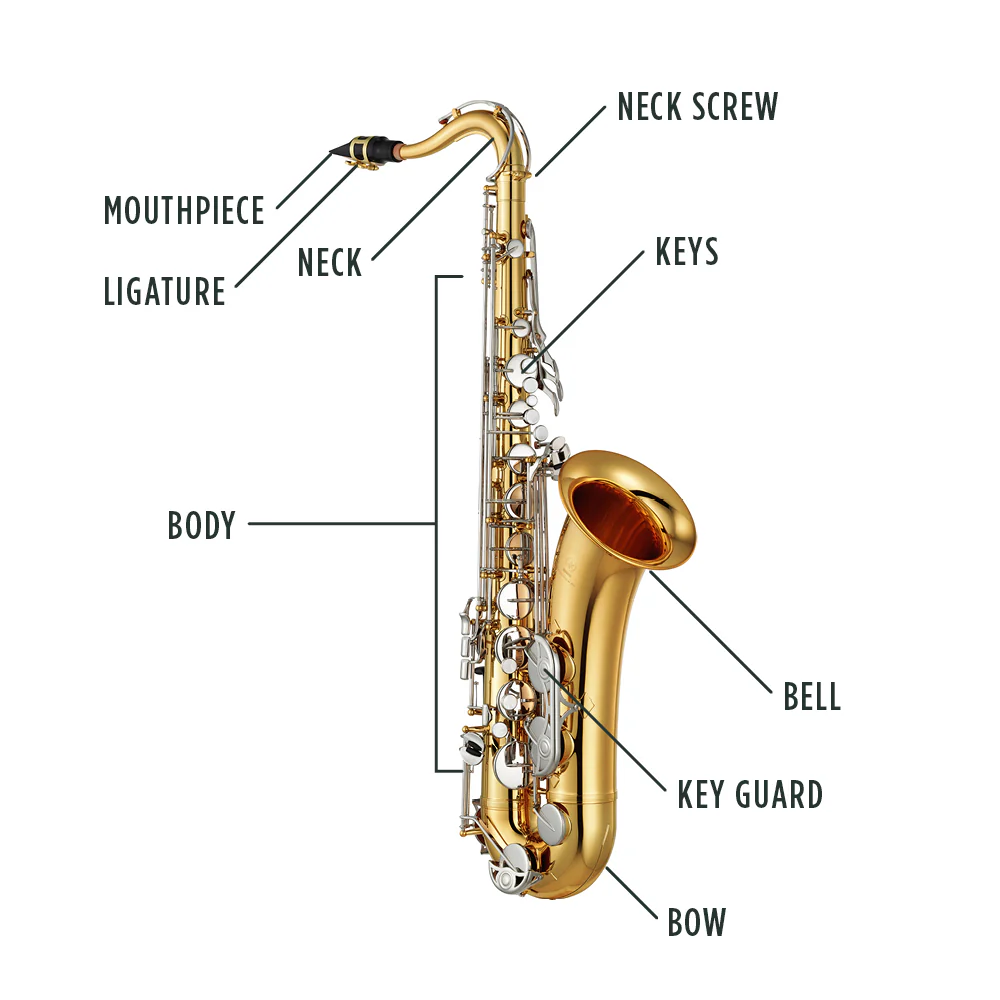
1. Mouthpiece & Reed: Sound is created by blowing air past a single cane (or synthetic) reed attached to the mouthpiece via a ligature.
2. Neck (Crook): The curved, detachable pipe connecting the mouthpiece to the body.
3. Body & Key work: A brass conical tube lined with tone holes and a complex system of leather-padded keys.
4. Bow & Bell: The bottom U-curve and the flared opening where sound projects out.
Compared with alto saxophone:
Tenor is larger and heavier.
It has a lower, fuller tone.
It usually needs a little more air support.
The fingerings are the same, so alto players can adapt fairly easily.
Reviews
There are no reviews yet.