


Description
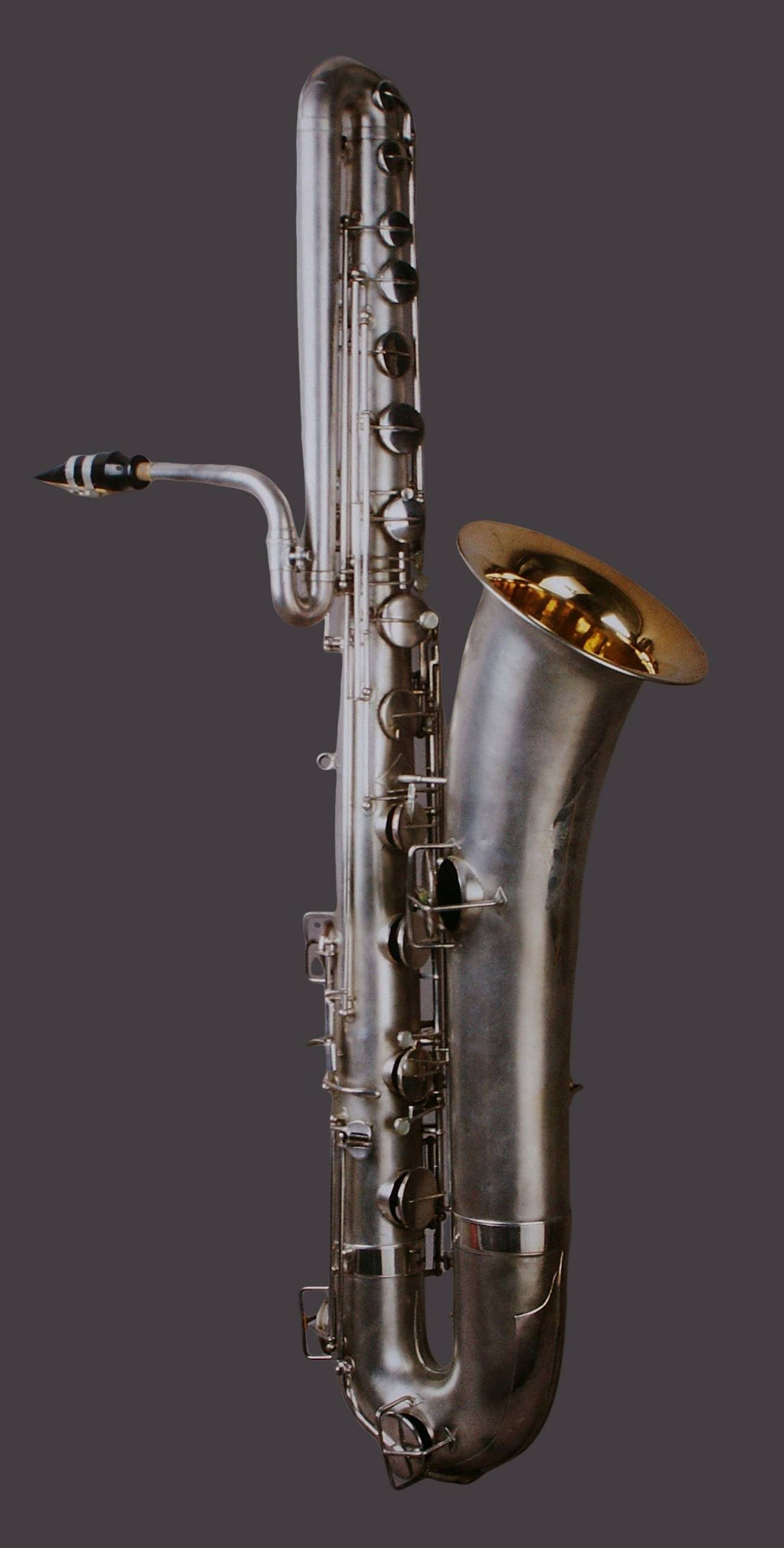
Bass Saxophone is one of the largest and lowest-pitched members of the saxophone family. It is pitched in B♭, sounding two octaves and a major second lower than written, and sits below the baritone saxophone in range.
Some key facts:
* Range: Deep, rich, resonant tone that can cover bass lines and melodic passages.
* Appearance: Much larger than a baritone saxophone, with a long, looping neck and a large bell.
* Uses: Found in saxophone ensembles, concert bands, jazz groups, experimental music, and occasionally rock. It is much rarer than alto, tenor, or baritone saxophones.
* Challenges: Its size and weight make it more demanding to transport and play, and it requires more air support than smaller saxophones.
Bass saxophones are uncommon, they are generally more expensive and harder to find than other saxophones. Despite this, they are prized for their powerful, distinctive sound and visual impact.
A bass saxophone is especially good for:
* Bass lines – It provides a deep, powerful foundation in ensembles.
* Jazz – Used by some players for unique solos and rich ensemble textures.
* Concert bands and wind ensembles – Adds depth and extends the saxophone section’s lower range.
* Saxophone quartets and larger saxophone ensembles – Often plays the lowest part.
* Contemporary and experimental music – Its unusual sound makes it popular with composers looking for distinctive timbres.
* Film and game soundtracks – Its dark, resonant tone can create dramatic or mysterious atmospheres.
It’s less suited for beginners because it is:
* Large and heavy.
* Expensive to buy and maintain.
* Requires strong breath support and good technique.
Reviews
There are no reviews yet.