

Description
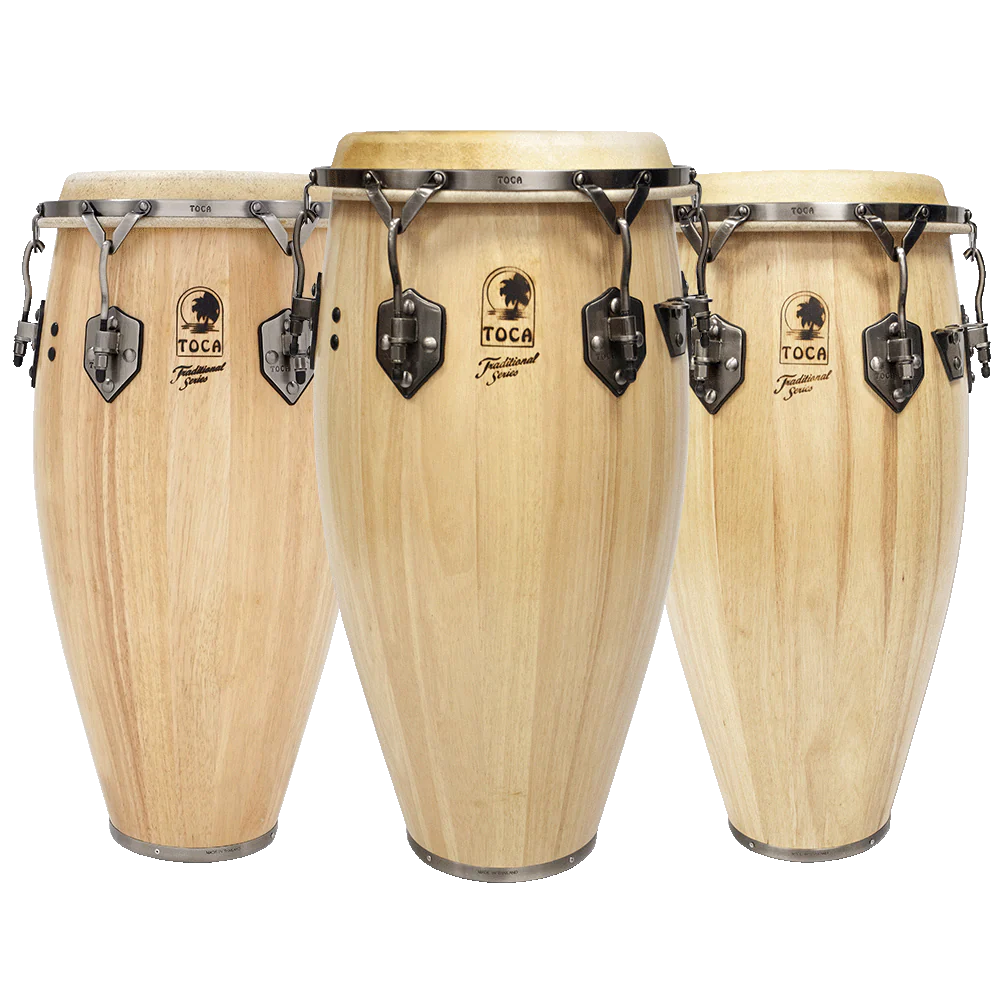
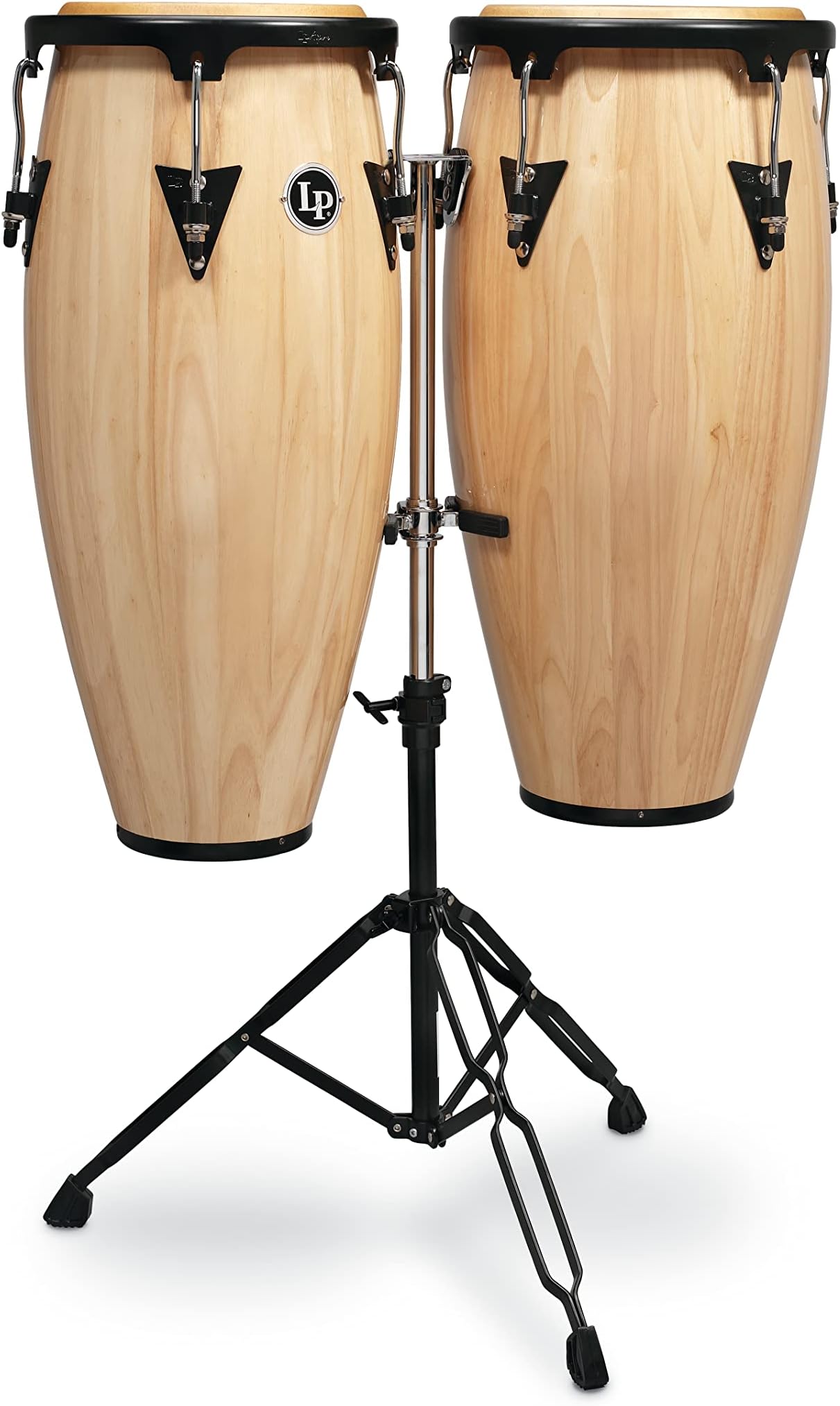
Conga Percussion Drum is a tall, barrel-shaped percussion instrument from Cuba, also called a tumbadora. It is played mainly with the hands and is widely used in Afro-Cuban music, salsa, rumba, timba, Latin jazz, and other world music styles.
Main features:
1. Shape: Tall, narrow, single-headed drum with a rounded shell.
2. Materials: Traditionally wooden shells with animal-skin heads; modern versions may use fiberglass shells and synthetic heads.
3. Playing method: Struck with fingers and palms to create tones, slaps, and bass sounds.
4. Common sizes/types:
Quinto – smallest and highest-pitched (often the lead drum)
Conga / Tres golpes – medium pitch
Tumba / Salidor – largest and deepest sound
A conga percussion drum is good for:
1. Latin music — especially salsa, rumba, son, and Afro-Cuban styles
2. Live performances — adds strong rhythm and energy to bands and ensembles
3. Dance music — creates grooves that support dancing
4. Jazz and fusion — used for adding color and improvisation
5. Church and worship music — often used to build rhythmic atmosphere
6. Drum circles and group activities — easy for beginners to join in
7. Learning percussion skills — helps develop timing, hand technique, and rhythm coordination
The conga drum is very important because it provides the rhythm, energy, and cultural expression that drive many styles of music.
Key reasons it is important:
1. Creates the heartbeat of music: Congas help establish the groove that musicians and dancers follow.
2. Supports other instruments: They work with drums, bass, guitars, horns, and singers to build a complete rhythm section.
3. Preserves culture: Congas are deeply connected to Afro-Cuban traditions and have helped carry those musical traditions around the world.
4. Encourages creativity: Players can improvise and create different sounds, making each performance unique.
5. Brings people together: Congas are common in celebrations, ceremonies, performances, and community drum circles.
6. Builds musical skills: Learning conga improves timing, coordination, listening, and rhythm awareness.
Reviews
There are no reviews yet.