
Description
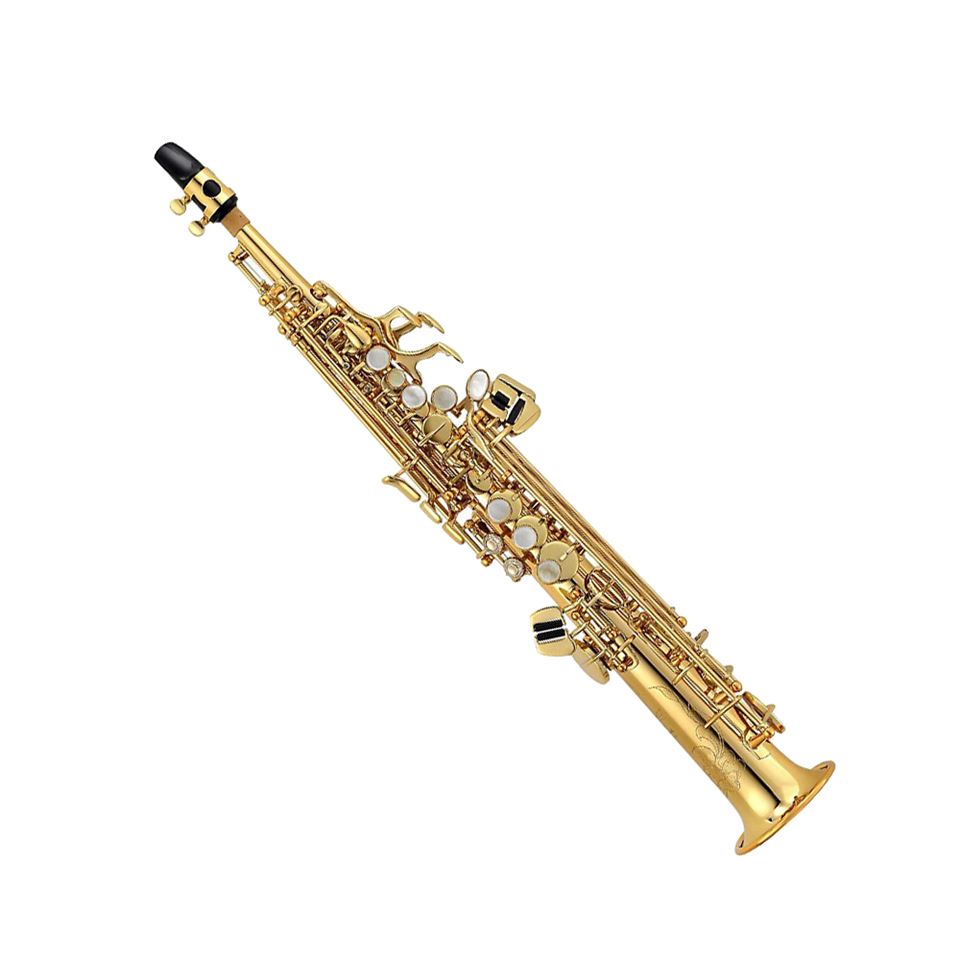
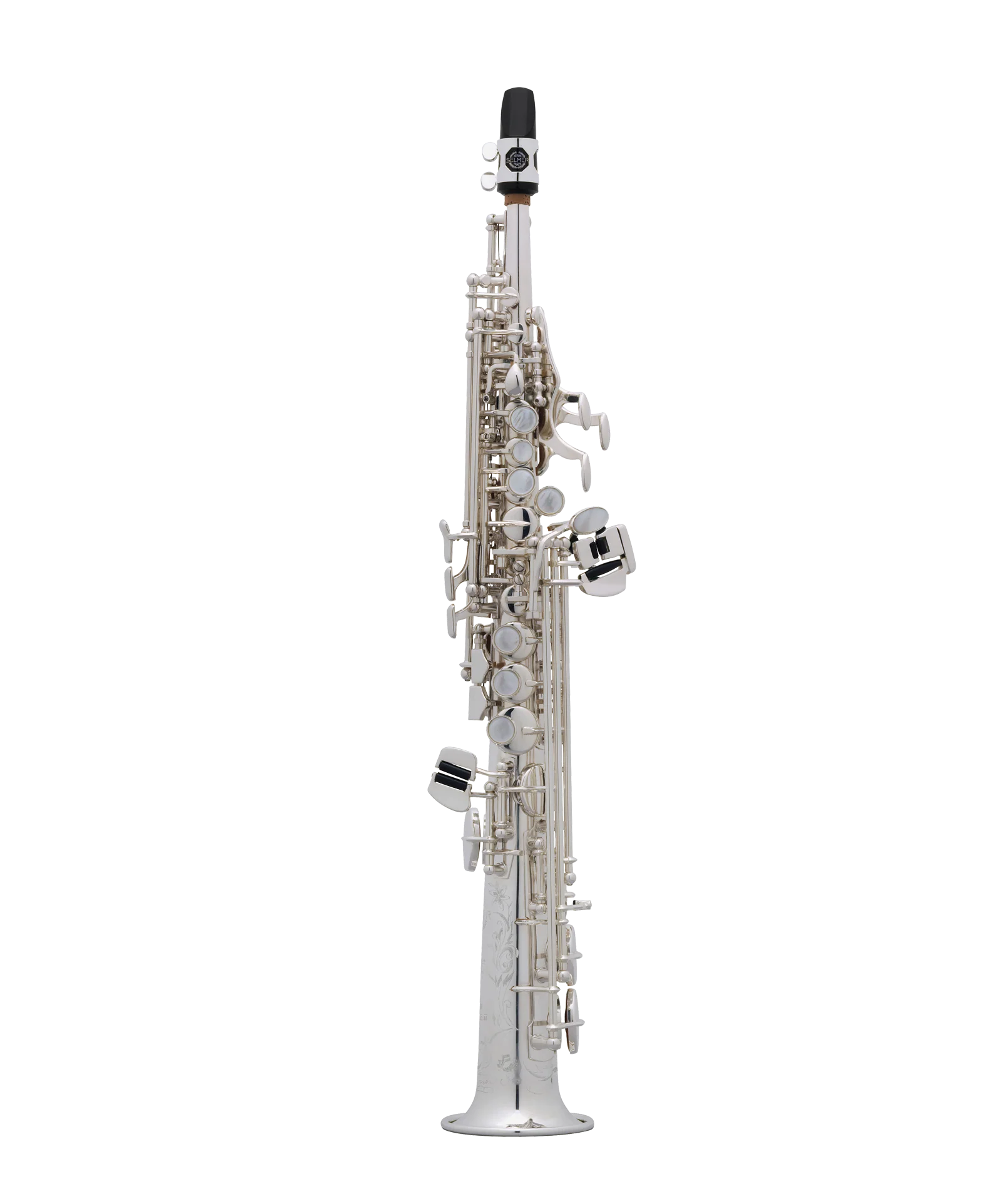
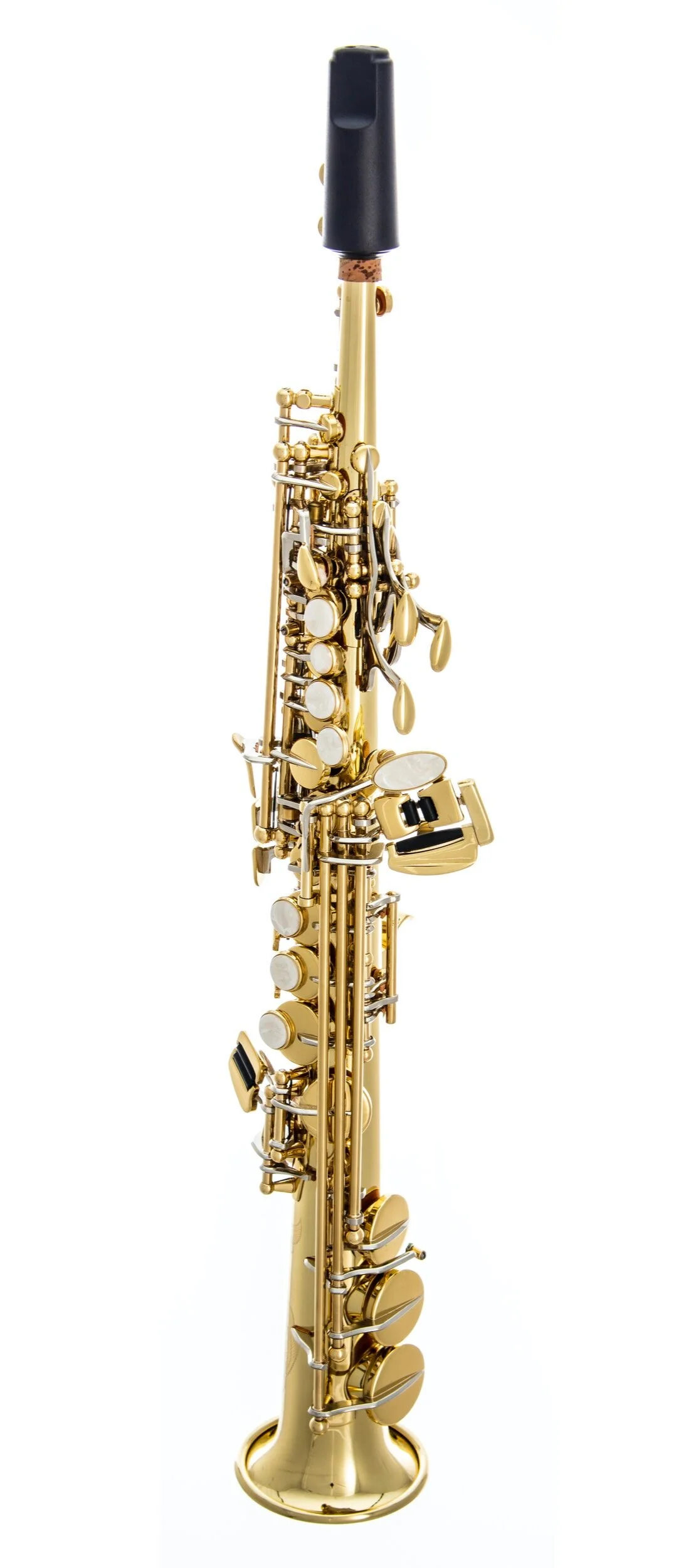
A sopranino saxophone is the smallest commonly used member of the saxophone family (above the soprano saxophone). It is usually pitched in E♭ and sounds a minor third higher than written—about an octave above the alto saxophone.
Key facts:
1.Pitch: E♭ (Eb)
2.Sound: Very high, bright, and penetrating—often described as a mix between a soprano sax, clarinet, and flute-like color.
3.Size: Smaller than a soprano sax; most models are straight-bodied like a clarinet, though curved versions exist.
4.Difficulty: It requires careful embouchure control and good intonation because the small mouthpiece and high register make pitch changes more noticeable.
5.Uses: Less common in jazz and bands, but used in saxophone ensembles, contemporary music, and some classical works.
A sopranino saxophone is good for:
1.Saxophone ensembles — it adds a very high “sparkle” voice above soprano, alto, tenor, and baritone saxes.
2.Contemporary/classical music — composers often use it for bright, unusual, or dramatic effects.
3.Solo color and special effects — its piercing, expressive tone can stand out in a mix.
4.Experimental, fusion, and world music — where unusual sounds are welcome.
5.Doubling for saxophonists — especially for players who already play alto or soprano and want an extra instrument for range.
It is less ideal for:
1.A first saxophone for beginners
2.Most mainstream jazz gigs (where alto, tenor, and soprano are much more common)
3.Playing long, comfortable melodies without strong embouchure control (the high pitch makes tuning more demanding)
Reviews
There are no reviews yet.