
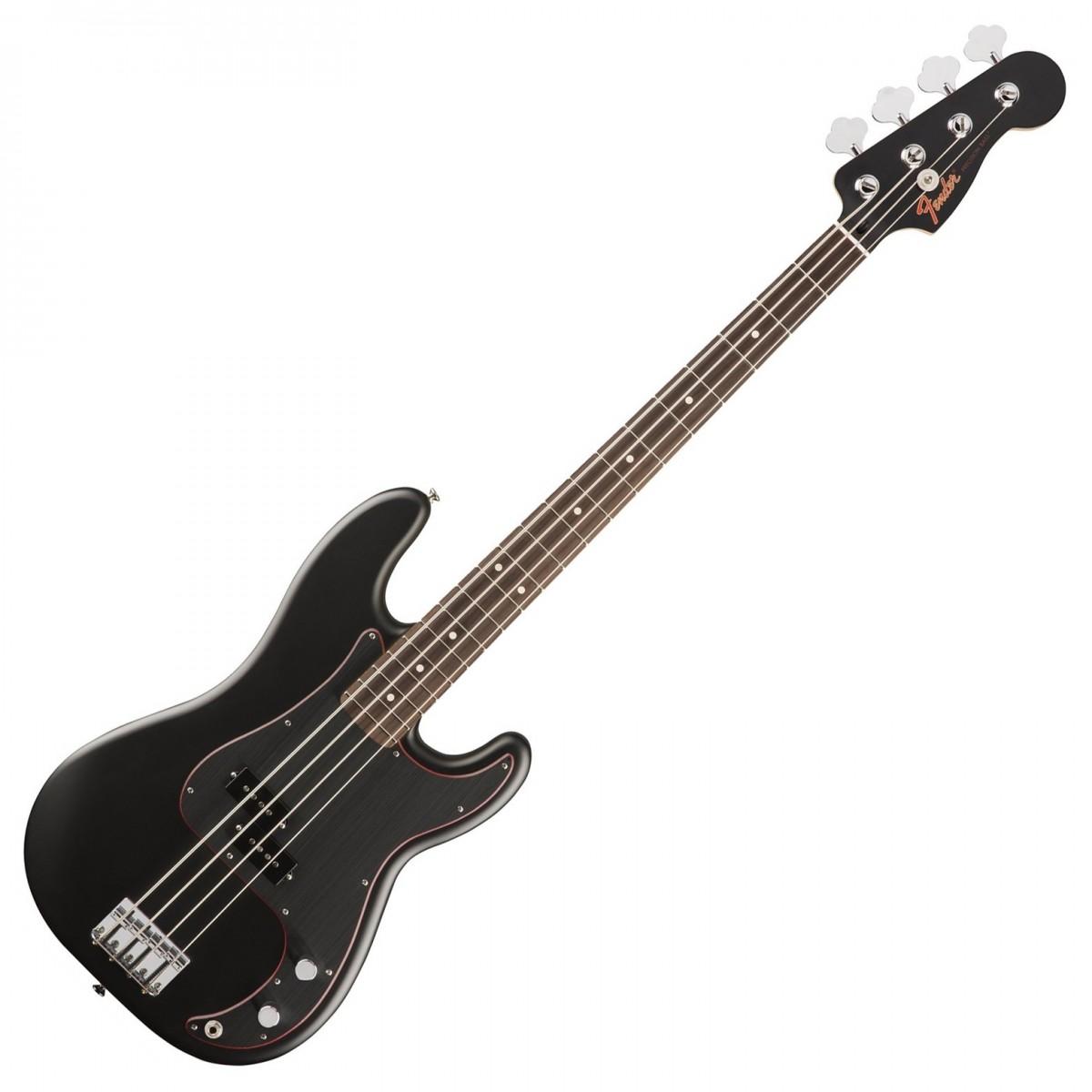
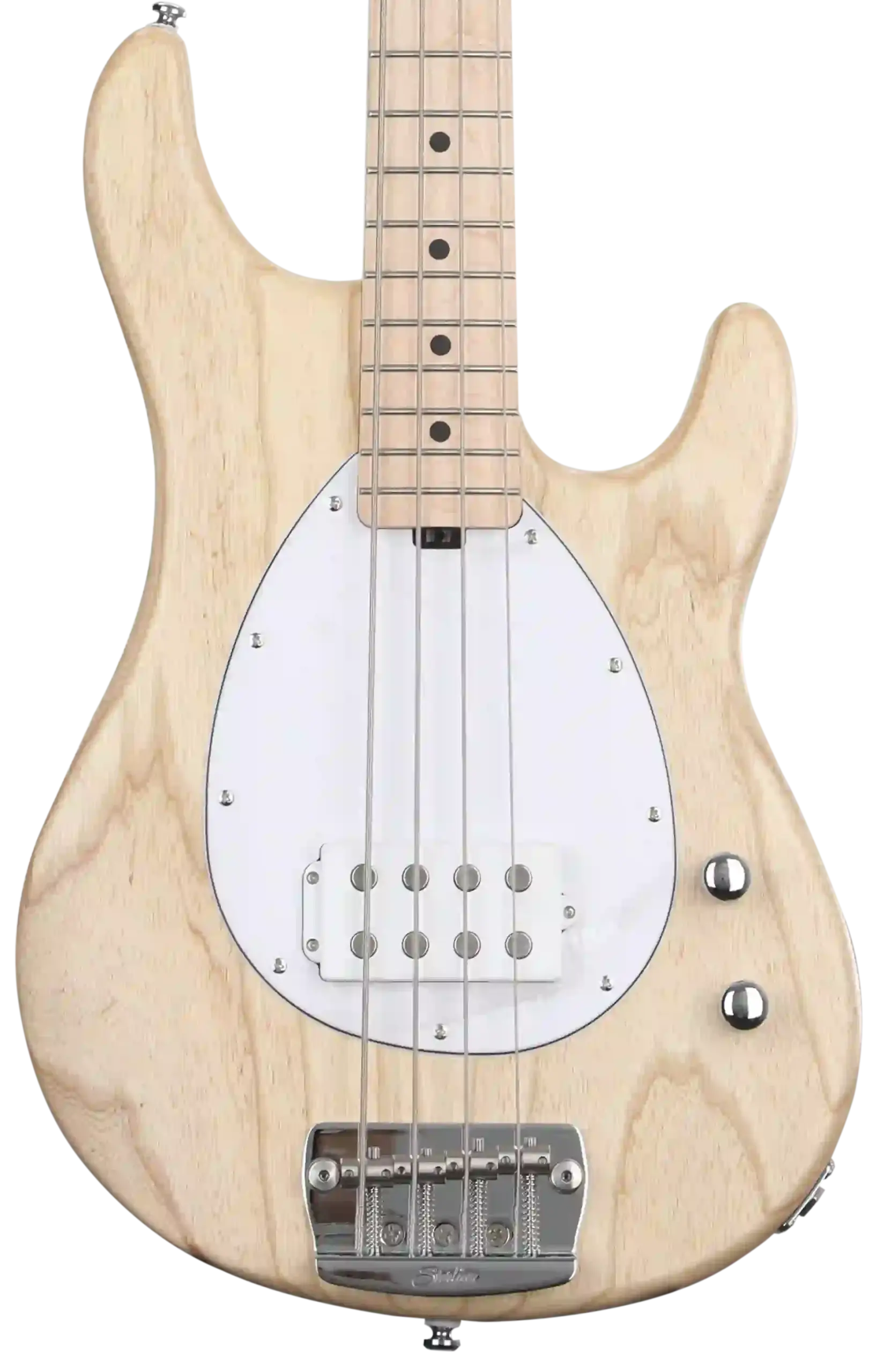

Description
A passive bass guitar relies on traditional, non-powered pickup circuitry. Unlike active bass guitars, it contains no internal preamplifier and requires no 9V battery or external power source to operate.
Key Characteristics & Mechanics
1. No Battery Required: The signal is generated purely by the vibration of the strings disturbing the magnetic field created by the pickup’s magnets and wire coils.
2. Subtractive EQ Controls: Tone controls on a passive bass can only cut (attenuate) treble frequencies rather than boost them. A typical control layout includes Volume and Tone knobs.
3. Tone & Dynamics: Known for producing a warm, round, “fat,” and organic tone. They offer high touch sensitivity, allowing nuances in fingerstyle or pick technique to shine through without built-in compression.
passive bass guitar can be used by virtually any bass player, but it is particularly suited for:
1. Beginner to Intermediate Bassists
Plug-and-Play Simplicity: There are no battery compartments or complex onboard EQ switches to worry about. You plug in, adjust the volume and tone knobs, and play.
Low Maintenance: You’ll never experience a dead instrument right before or during a performance because a 9V battery ran out.
2. Live Gigging & Session Musicians
Reliability: Session players and touring musicians favor passive basses (especially classic Precision or Jazz Bass models) for their dependability and straightforward sound engineering.
Easy Mixing: Sound engineers love passive basses because their round, natural output fits easily into live sound mixes and studio tracks without unexpected signal clipping.
3. Players of Traditional & Dynamic Genres
Passive basses excel in genres where warmth, dynamic finger nuance, and vintage tone are prioritized:
Reviews
There are no reviews yet.